


Jewelry occupies a fascinating space between beauty and value. A gold bracelet may be worn for decades, a diamond ring can symbolize a lifelong commitment, and a silver piece can become a treasured part of everyday style.
But when considering gold vs diamond vs silver as an investment, the answer depends on what you mean by "investment." Are you seeking financial value, long-term ownership, rarity, wearability or something meaningful enough to pass to the next generation?
Understanding the differences can help you choose more confidently.
Gold: Strong Intrinsic Value
Gold has been valued across civilizations for centuries and remains a globally traded precious metal.
Its advantage is relatively straightforward: gold jewelry contains a measurable quantity of precious metal. Higher-purity gold contains more gold by weight, although craftsmanship, design, brand, taxes, and retail margins also influence the purchase price of finished jewelry.
If value retention and liquidity are priorities, gold generally has an advantage over most finished jewelry categories because there is an established global market for the underlying metal.
However, buying jewelry is different from buying investment-grade bullion. You should not assume that a jewelry piece will resell for its original retail price.
Natural Diamonds: Rarity Meets Emotion
Diamonds work differently.
A natural diamond is valued according to characteristics such as carat weight, cut, color, clarity, certification, rarity, and market demand. Exceptional stones can command significant value, but ordinary retail diamonds should not automatically be considered financial investments.
Where natural diamonds excel is in combining rarity with emotional significance.
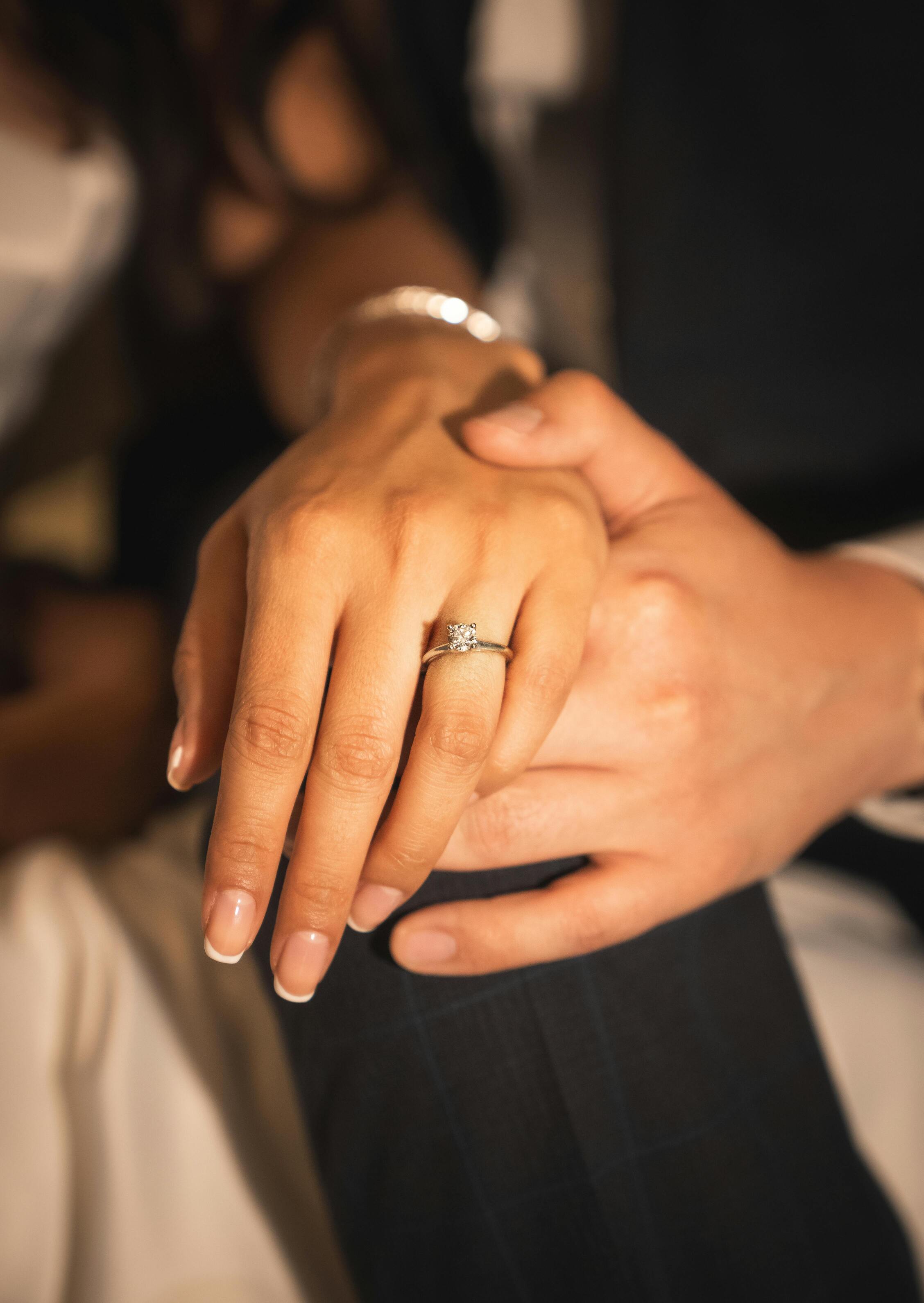
An engagement ring chosen thirty years ago may eventually become a daughter's or granddaughter's heirloom. Its importance then extends beyond what a resale quotation can measure.
Lab-Grown Diamonds: More Brilliance for Your Budget
A lab-grown diamond is a real diamond produced through advanced technology rather than geological formation.
Its primary advantage is accessible luxury: buyers can often select a larger diamond or more ambitious design within a given budget.
However, lab-grown diamonds should generally be purchased for their beauty, design, and enjoyment not with an expectation of strong resale-value retention. Their pricing dynamics differ significantly from natural diamonds.
For modern jewelry buyers, that distinction is important: value isn't always the same as investment return.
Silver: Accessible and Versatile
Silver offers another form of precious-metal ownership at a much more accessible price point.
Sterling silver jewelry can be elegant, versatile, and ideal for experimenting with contemporary designs. Silver itself has commodity value, but because the metal value within an individual jewelry piece is usually relatively modest, craftsmanship and design often represent a significant portion of its retail price.
For many buyers, silver is therefore better viewed as accessible fine jewelry than as a wealth-preservation vehicle.
So, Which Is Better?
If your priority is primarily intrinsic metal value, gold generally stands out.
If you value rarity, heritage, and heirloom potential, carefully selected natural diamonds can carry a different kind of long-term significance.
If your priority is diamond brilliance and design within a more accessible budget, lab-grown diamonds offer compelling possibilities.
And if you want versatility and accessible precious-metal jewelry, silver deserves its place in a well-rounded collection.
Invest in What You'll Value
With more than 30 years of diamond and jewelry industry experience, Jwalin Jewels helps customers consider not only appearance but also materials, craftsmanship, certification, lifestyle, and long-term expectations.
Through our virtual design consultation, you can explore natural or lab-grown diamonds, gold, platinum, or silver and customize a piece around your preferences. Personal engraving can transform it further from something valuable into something meaningful.
Our philosophy combines precise craftsmanship, ethical sourcing, thoughtful design, and accessible luxury. A portion of profits also supports children with cerebral palsy through the Jwalin Foundation.
Ultimately, the finest jewelry investment may be one you understand clearly, choose wisely, wear often, and eventually pass forward with a story attached.
Explore Jwalin Jewels' collections or speak with our design team to create jewelry whose value goes beyond the price tag.
Leave a comment